'%20%3e%3cstop%20stop-color='%23ff1b1b'%20/%3e%3cstop%20offset='.49905837'%20stop-color='%2384396c'%20/%3e%3cstop%20offset='1'%20stop-color='%230958be'%20/%3e%3c/linearGradient%3e%3cradialGradient%20id='maple-fill'%20cx='259.67006'%20cy='218.96043'%20r='64.817879'%20gradientUnits='userSpaceOnUse'%20gradientTransform='matrix(3.8495389%200%200%203.850359%20-749.34594%20-593.11835)'%20%3e%3cstop%20stop-color='%2319111d'%20/%3e%3cstop%20offset='1'%20stop-color='%23171519'%20/%3e%3c/radialGradient%3e%3c/defs%3e%3cpath%20fill='url(%23maple-fill)'%20stroke='url(%23maple-outline)'%20stroke-width='19.9447'%20d='M227.0921%20489.6183l1.87427-120.2791-109.64387%2014.2062%2013.58835-36.9361-113.39239-92.3399%2032.3309-13.2591-21.55392-74.8193%2064.66175%2015.6268%2012.18268-37.8831%2064.66176%2064.8749-19.21114-132.1175%2040.76504%2024.6241%2056.90858-83.7399%2056.90859%2083.8932%2040.76505-24.6241-19.21114%20132.1175%2064.66175-64.8749%2012.18268%2037.8832%2064.66173-15.6268-21.5539%2074.8192%2032.3309%2013.2591-113.39237%2092.3402%2013.58833%2036.9361-109.64385-14.2062%201.87426%20120.2791z'%20/%3e%3c/svg%3e)
Technical founder / Mechatronics student / FRC mentor
MATHIAS
PETERSEN
I build complete technical systems, from the board to the interface.
One product.
Clear boundaries.
Helios is the centre of the work. Some repositories are direct parts of that product; others explore boundaries that may be useful later. The distinction matters.
How the system
fits together.
Raze contains HeliOS. Its engine directly uses Styx for camera data and Daedalus for pipeline execution. FRC-Athena consumes the result on the robot. The dashed projects are related work, but they do not ship in this product.
Reusable vision algorithms LemnosHardware discovery and driver matching research OrionMulti-device control and reconciliation research
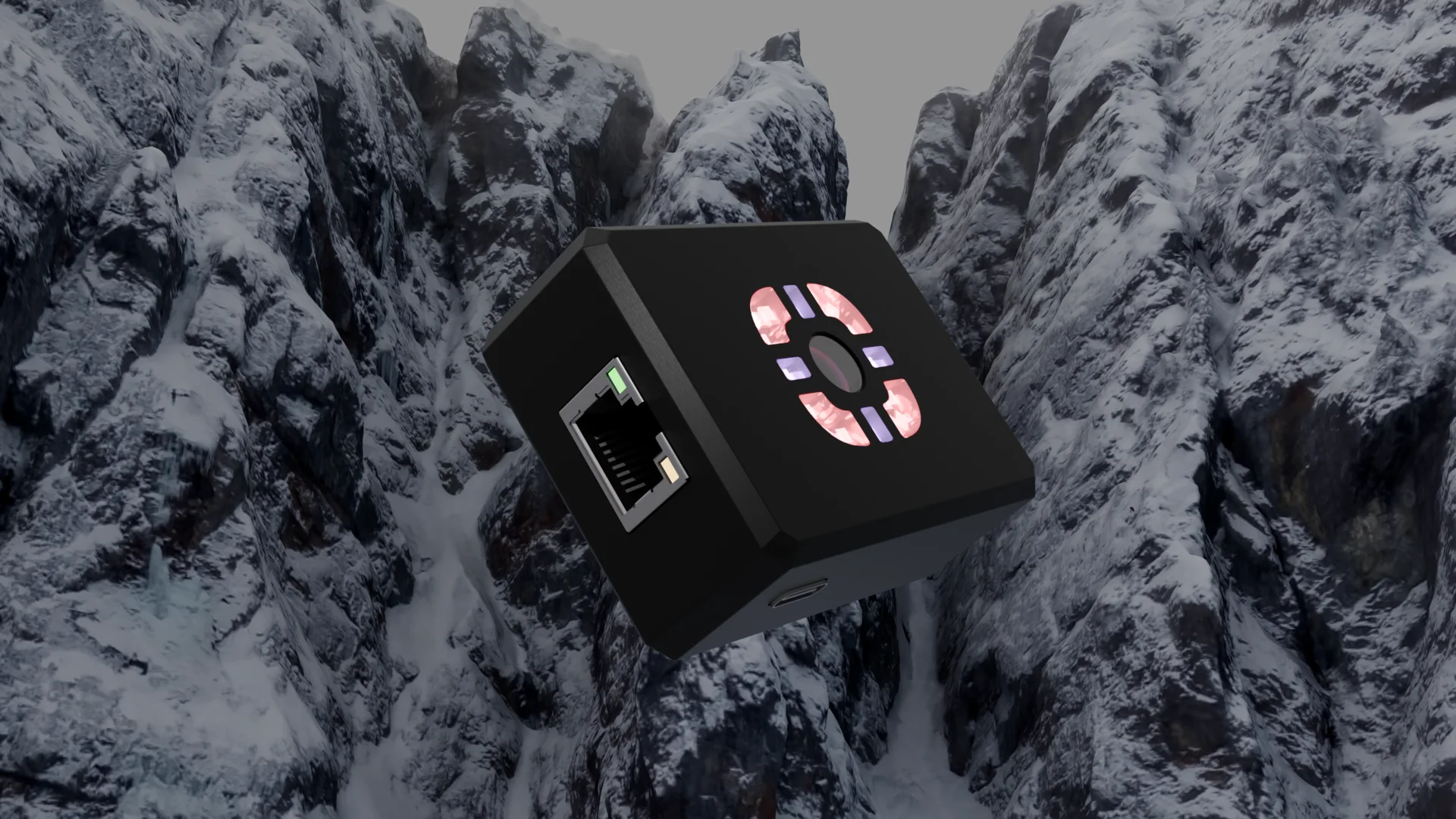
Helios Vision System
Raze is a self-contained vision computer for FIRST Robotics Competition robots, designed from the circuit boards and enclosure through the embedded software and operator interface.
Raze replaces a loose single-board computer, cameras, power adapters, wiring, scripts, and custom mounts with one serviceable vision appliance.
- Collapsed compute, protected power, camera I/O, lighting, mounting, software, and recovery into one field-installable product
- Carried the design through a 50-unit manufacturing run, proving that the PCB, enclosure, assembly, and bring-up process could be repeated beyond a prototype
- Placed approximately 25 units with FRC teams, exposing operator and recovery workflows to real competition constraints
HeliOS
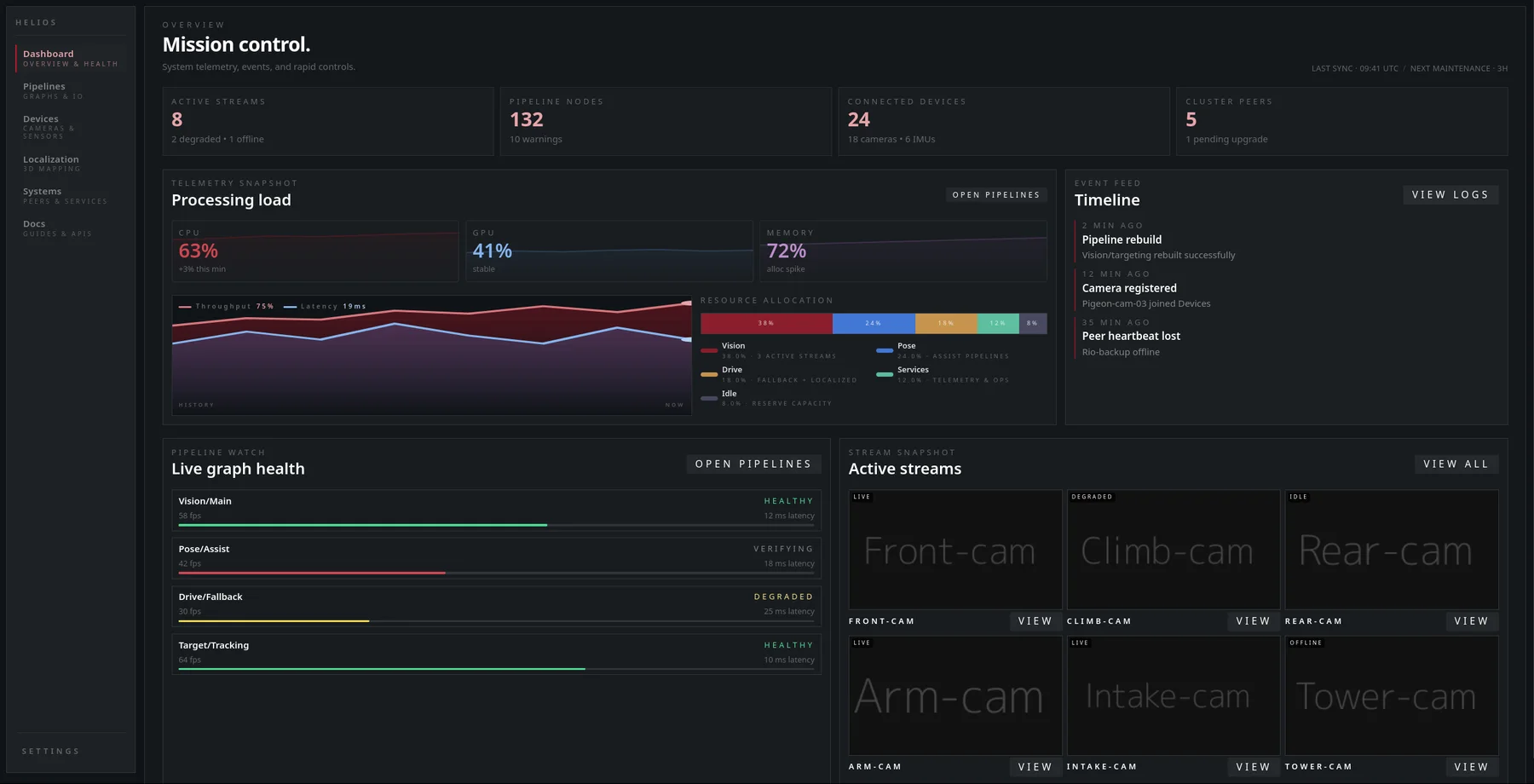
The local operating layer behind Raze: Linux image, Rust services, browser workspace, device controls, updates, and diagnostics.
Browser APIs generated from Rust models prevent interface drift, while separate media and graph runtimes keep frame processing out of the web server.
 View platform →
 Eidos
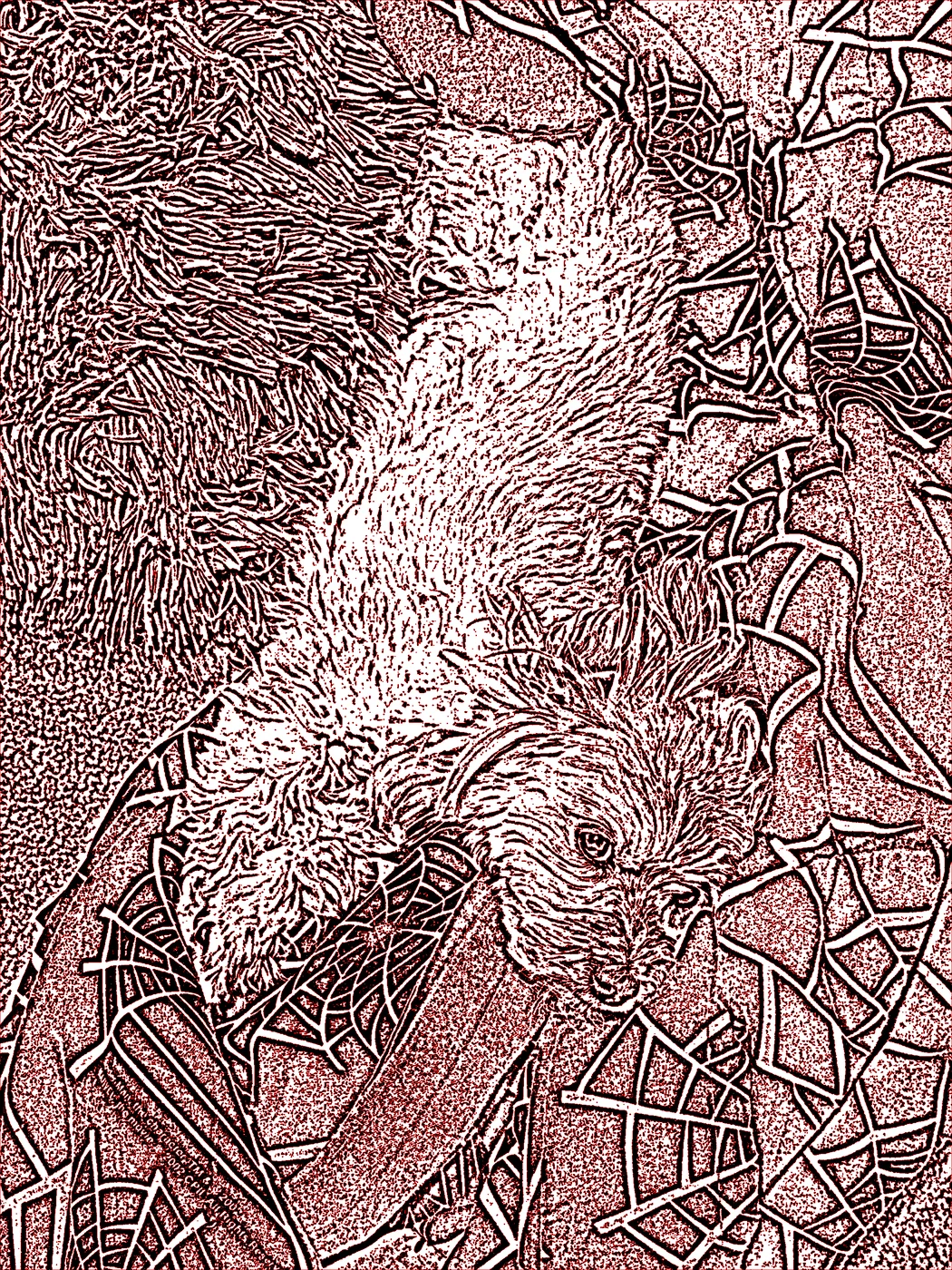
Rust vision R&D for the coded square markers robots use to estimate position, with inspectable masks, geometry, and saved field fixtures.
A faster candidate must preserve marker IDs and corner coordinates, and its timing stays tied to the recorded CM5 workload.
 View library →
Systems that make the next system easier.
These projects turn recurring release and operations problems into reusable developer models instead of another pile of product-specific code.
Asset Operations Platform
Capture, inventory, commissioning, evidence, and reporting workflows share one Rust and Svelte platform from offline appliance to PostgreSQL service.
New workflows inherit scoped workspaces, safe offline ordering, atomic mutations, audit, and deployment portability.
Open the platform case study →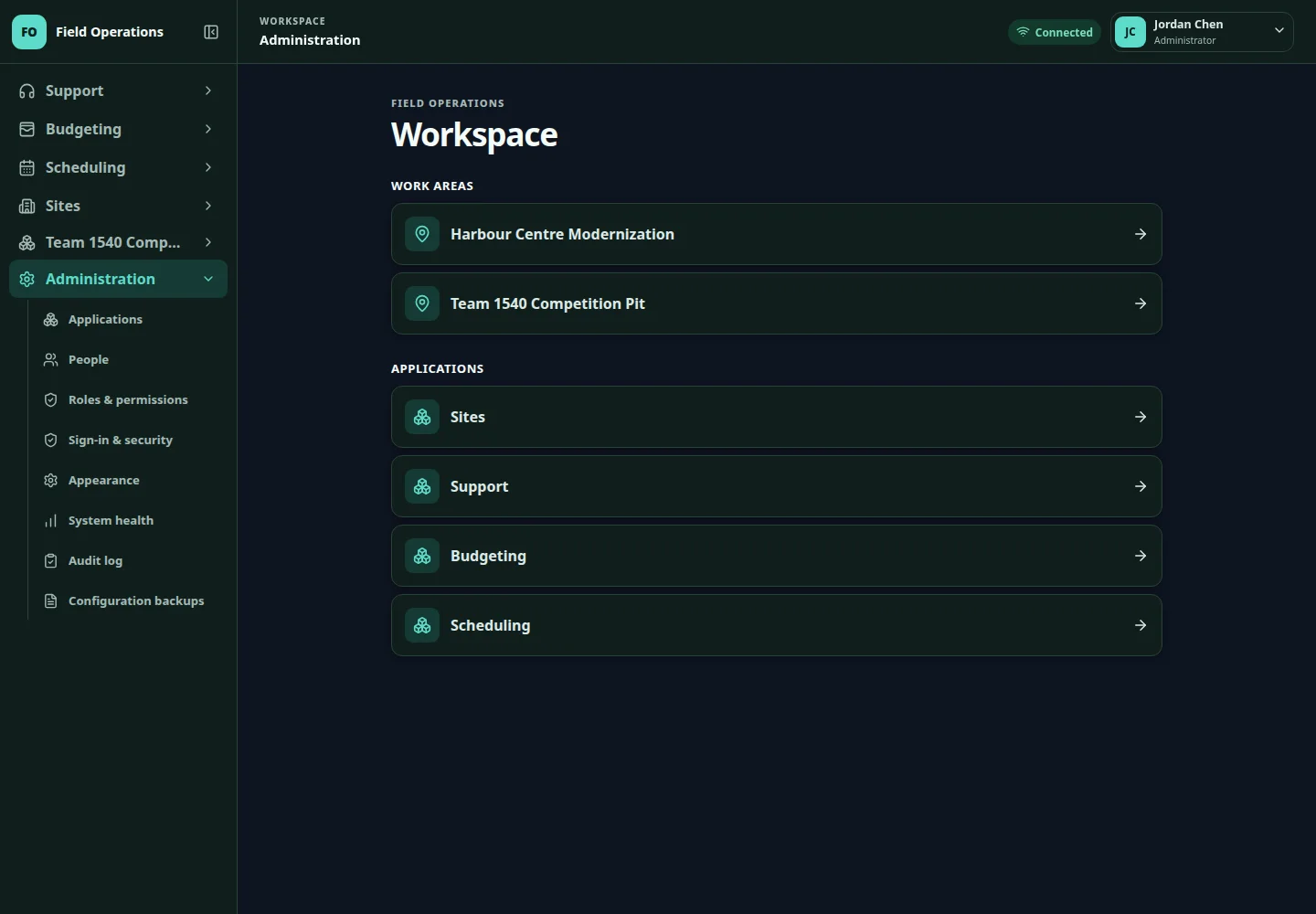
Gaia
A typed Rust release system that turns layered board, source, and toolchain inputs into bootable Linux images with a record of what was selected.
Engineers inspect the plan before a long build. Reuse checks and bounded scheduling explain what runs, what is skipped, and why.
Open the Gaia deep dive →- 01ResolveOne canonical build spec
- 02ValidateAll diagnostics before expensive work
- 03PlanTyped DAG, reuse, and policy
- 04ExecuteSources, artifacts, image assembly
Constellation
Constellation is the private Kubernetes platform I operate for business applications, robotics tooling, and self-hosted services.
Its hardest constraint is that seven Kubernetes nodes still share two physical hosts, so software replicas do not erase host-level storage and network failures.
Open the infrastructure case study →These are compiled into helios-engine.
Related architectural work, not presented as shipped product dependencies.
Most useful where the handoffs get messy.
I work across electrical, mechanical, systems software, deployment, interface design, manufacturing, and support.
Read my profile →Choose a resume →